
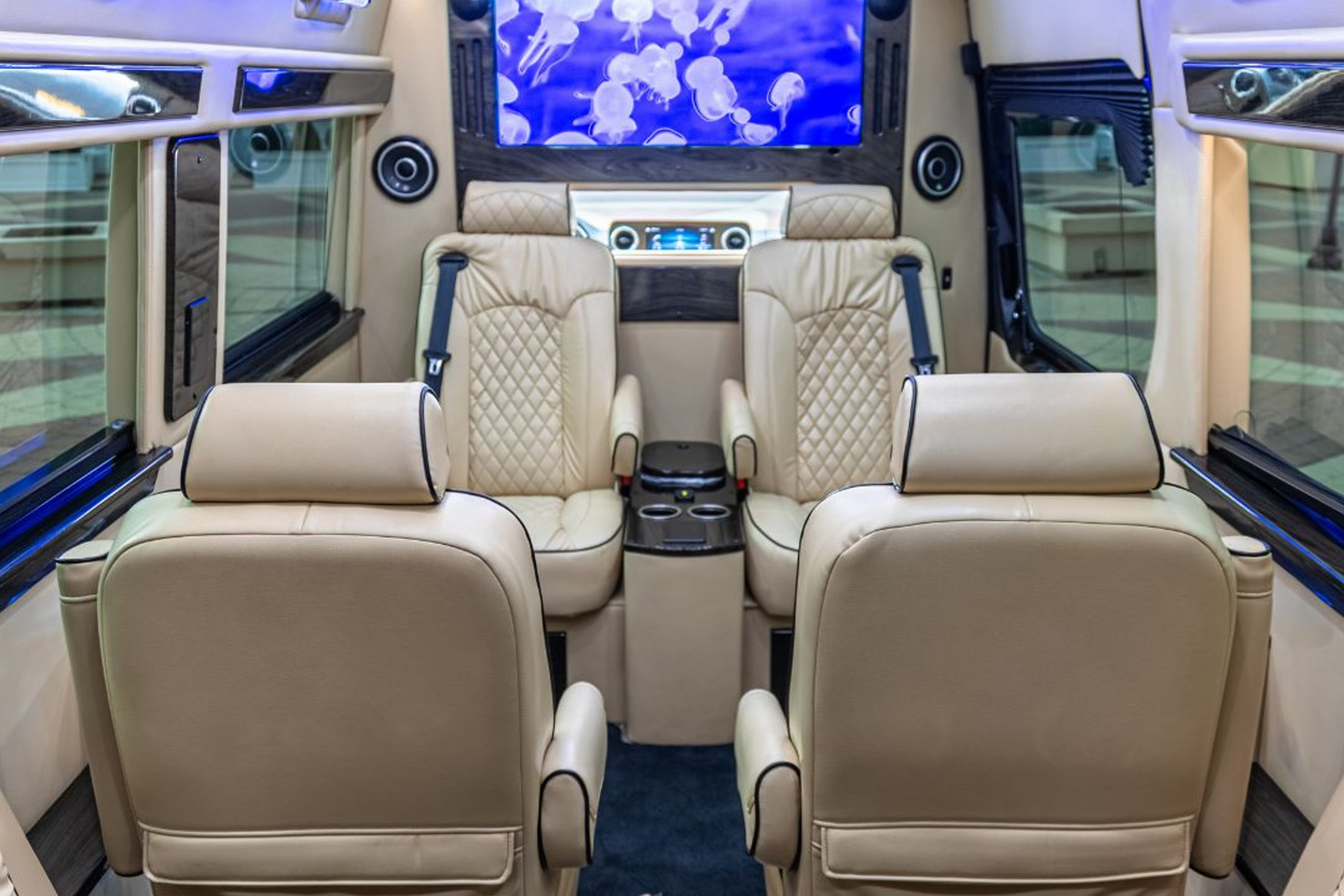
A clear view of Indianapolis limousine pricing starts with understanding how professional operators structure their rates. Most services bill hourly with a minimum, and the vehicle class sets the starting point. From there, demand patterns, itinerary complexity, access requirements, and wait time determine the final number.
This guide breaks down typical local ranges, shows which vehicle class fits different use cases, and outlines the variables that move a quote up or down so planners, executive assistants, and corporate travelers can approve confidently and avoid surprises.
What does a limo really cost in Indianapolis?
Most Indianapolis operators price by the hour with a booking minimum. Typical local ranges are:
- Executive sedan: $95 to $125 per hour
- Premium SUV: $110 to $150 per hour
- Stretch limousine: $140 to $220 per hour
- Executive sprinter: $150 to $220 per hour
- Mini bus: $175 to $250 per hour
- Airport transfers: $95 to $160 flat for a sedan or SUV, with billed wait beyond the grace period
Which vehicle class fits the budget and the brief?
At-a-glance comparison
| Vehicle type | Capacity | Typical hourly rate | Typical minimum |
| Executive sedan | 2–3 | $95–$125 | 2–3 hours |
| Premium SUV | Up to 6 | $110–$150 | 3 hours |
| Stretch limousine | 8–10 | $140–$220 | 3–4 hours |
| Executive sprinter | 10–14 | $150–$220 | 3–5 hours |
| Mini bus | 18–28 | $175–$250 | 4–5 hours |
| Airport transfer | — | $95–$160 flat | N/A |
Practical guidance
- Right-size to the confirmed headcount to avoid paying for unused capacity.
- Consider luggage volume and attire when choosing between sedan and SUV.
- For groups of 8 or more, compare stretch versus sprinter for headroom, doorways, and ease of boarding.
What actually drives the price up or down?
- Vehicle class and capacity set the base rate and insurance exposure.
- Duration and minimum hours establish the billing floor.
- Day, date, and demand influence both rate and minimums, especially Fridays, Saturdays, holidays, and December light tours.
- Start time can add an after-hours premium for very early or late service.
- Itinerary complexity such as multi-stop evenings, split schedules, and staged venue pickups increases standby and dispatch resources.
- Venue access, parking, and staging fees are passed through when facilities require them.
- Wait time and overage apply if the schedule exceeds included grace windows.
- Distance and service area may add travel time or zone surcharges outside central Indianapolis and nearby suburbs.
- Event type matters. Sports and concerts require proactive staging and coordinated exits.
- Service quality and chauffeur standards carry a premium that protects reliability, privacy, and presentation.
How do add-ons and pass-throughs work?
- Standard gratuity or service charge if not already included, commonly 18 to 22 percent
- Fuel or administrative surcharge where applicable
- Airport fees, tolls, and parking at cost
- Venue access or staging fees when a facility imposes them
- Excess cleaning or damage fees only when necessary
- Extra stops, extended wait, or overtime when the itinerary runs long
Can a few scenarios make the math clearer?
- Weeknight client dinner, executive sedan
- 2 hours at $110 equals about $220 plus gratuity and any applicable fees
- Saturday gala, stretch limousine
- 4 hours at $175 equals about $700 plus gratuity and any venue staging fee
- Concert night for 10, executive sprinter
- 6 hours at 185 equals about $1,110 plus gratuity, venue access, and parking if required
- Airport arrival with meet and greet, premium SUV
- Around $120 flat, with billed wait beyond the grace period if baggage delays extend standby
When do Indianapolis limo rates tend to run higher?
Indianapolis limo rates typically run higher during peak-demand windows such as December holiday party nights and popular holiday light tours, when availability books quickly and schedules are time-sensitive, especially on weekends .
Prices can also trend up around major sports dates and live events downtown, including Colts and Pacers home games, college football weekends, and college basketball matchups that compress capacity and require event-specific routing and staging .
Final trip costs may increase when itineraries include multiple stops, extended waiting time beyond agreed buffers, or venue-imposed curbside access or staging fees that are passed through on event days . Booking early for these periods secures vehicle choice and helps manage pricing. .
What can a planner do to keep the budget tight?
To keep transportation budgets tight, a planner should lock the schedule early to secure favorable minimums and the correct vehicle class, then match vehicles to confirmed headcount rather than estimates, since upgrading for a single extra seat can add 15 to 30 percent.
Consolidate stops and share a finalized route and timeline in advance to limit standby and reduce overage. Ask about venue requirements up front and include any mandated access or loading fees in approvals. Clarify wait-time grace windows and overtime rules at booking, and build realistic buffer time for load-in and load-out so the group is not billed for preventable delays.
When possible, choose off-peak pickup times and centralized meeting points to shorten dwell time. Confirm whether an hourly package or point-to-point pricing is more economical for your itinerary, and verify all pass-throughs such as tolls, fuel surcharges, parking, and gratuity so there are no surprises.
Designate an on-site contact with authority to release vehicles and approve changes, and document cancellation and change policies. These steps keep service seamless while protecting the budget.
What should a premium operator include as standard?
- Late-model, impeccably maintained vehicles suitable for the occasion
- Discreet, trained chauffeurs who manage timing, traffic, and route decisions
- Proactive itinerary coordination and confirmed on-time performance across central Indiana and nearby communities
- Clear terms on hourly minimums, included wait, and any anticipated pass-throughs
Bottom line for Indianapolis limo pricing
The bottom line is straightforward: select the right vehicle for the confirmed headcount, book early for high-demand dates, share the route and timing in advance, and verify pass-throughs and grace periods in writing.
With those controls in place, Indianapolis limo costs remain predictable and aligned to the brief. A concise proposal that confirms vehicle type, hourly minimums, included wait, and any likely access or parking fees will keep service seamless, budgets tight, and the experience consistent from curb to curb.